

Department 56 Village Guide for Collectors

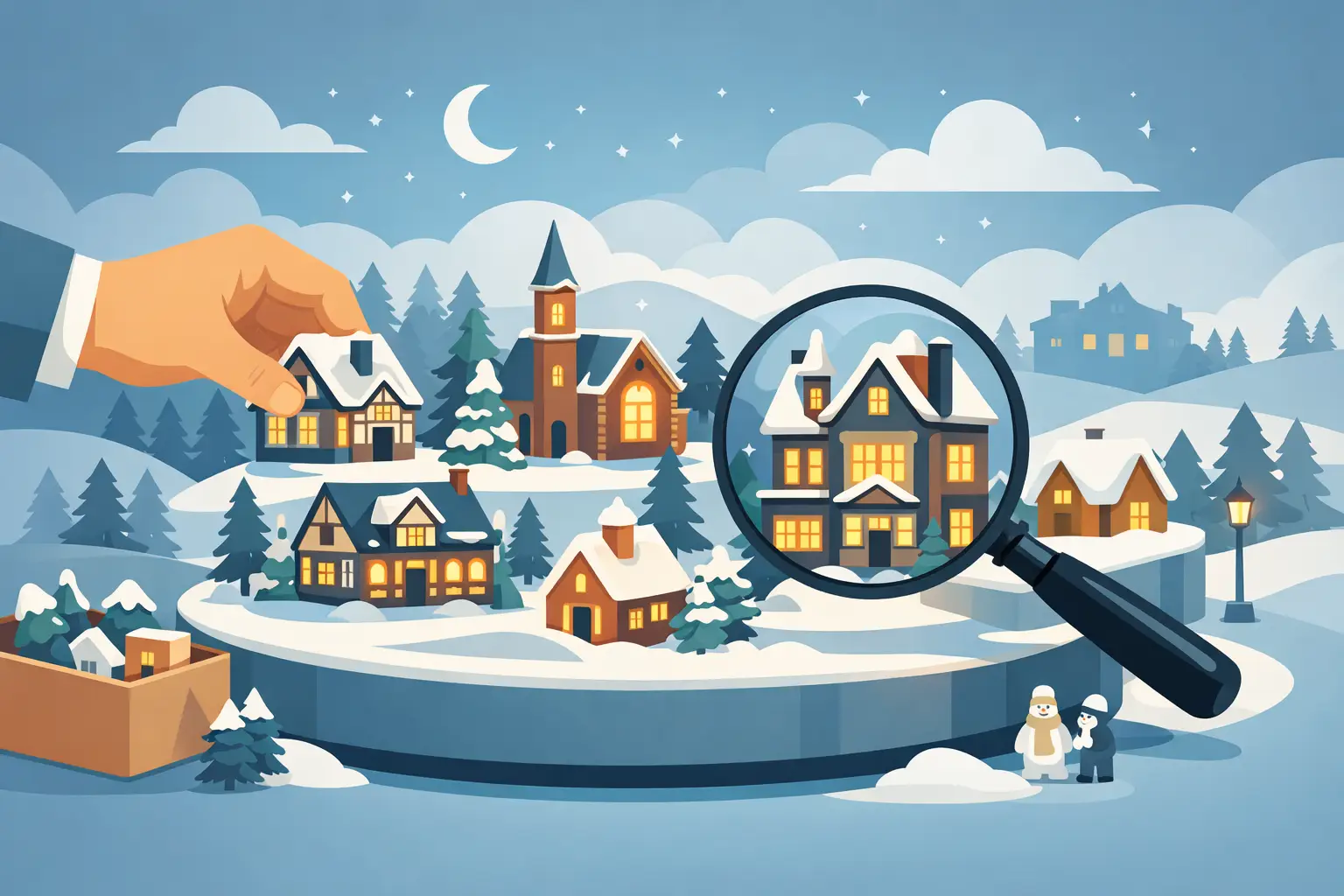
That first Department 56 house has a way of turning into a tradition. One snowy cottage becomes a town square, then a church, a few lit trees, maybe a skating pond, and before long your holiday display feels like part of the season itself. This department 56 village guide is here to make that process easier, whether you are buying your first piece or trying to grow a collection without ending up with a shelf full of items that do not quite work together.
Department 56 has been a favorite with collectors for decades because it blends nostalgia, craftsmanship, and storytelling. These pieces are more than decorations. They create scenes people return to year after year, and that is a big part of the appeal for both seasoned collectors and gift buyers looking for something memorable.
What makes Department 56 villages so collectible
Part of the charm is variety. Department 56 villages range from classic snow-covered streets to spirited Halloween scenes and licensed worlds that feel playful and familiar. That means there is room for different decorating styles. Some collectors want a quiet New England Christmas feel. Others want a busy city block, a Dickens-inspired street, or a spooky October setup with plenty of personality.
Another reason these pieces remain popular is that they reward thoughtful collecting. A single building can look lovely on its own, but villages really come to life when the details start working together. Street lamps, figurines, fences, signs, and trees help create movement and scale. It is satisfying in the same way a well-decorated mantel or tree is satisfying – every piece adds something, and the whole scene feels more finished than the individual parts.
There is also a practical side. Department 56 offers recognizable collections, retired pieces collectors keep an eye on, and seasonal items that make strong gifts. If you know someone who already loves a certain village series, adding one building or accessory can feel thoughtful without being guesswork.
Start your Department 56 village guide with the right theme
The easiest way to build a display you will still love in a few years is to start with a clear theme. That sounds simple, but it saves a lot of second-guessing later.
If you are drawn to traditional Christmas decorating, a snowy village with churches, inns, shops, and homes usually gives the most flexibility. These pieces mix well over time and tend to feel timeless. If your holiday style leans nostalgic, a Dickens or heritage-inspired setting may fit better. If you decorate for more than Christmas, Halloween villages offer a fun second season and can be every bit as collectible.
Licensed village collections are another strong option, especially for shoppers who already collect around a favorite character or franchise. They can be joyful and highly giftable, though they are often more specific in look. That is the trade-off. A licensed piece may feel extra special, but it can be harder to blend into a broader village unless the whole display follows that same theme.
When choosing a theme, think about where the village will live. A mantel may call for a compact street scene. A sideboard can handle a wider layout with layered accessories. If you have room under a tree or across a dedicated table, you can build something more elaborate. Space matters more than many collectors expect.
How to choose your first pieces
A good starting point is one statement building, one supporting building, and a few scene-setting accessories. That gives your display a center without making it feel unfinished.
For example, a church or grand hotel can anchor the village, while a smaller house, shop, or bakery softens the scene and adds balance. Then bring in details that make the setup feel lived in: snow-covered trees, a bench, carolers, streetlights, or a couple walking home. You do not need ten buildings right away. In fact, too many pieces too soon can make it harder to see what your collection actually needs.
Lighting is worth thinking about early. Department 56 villages are known for illuminated buildings, and that glow is part of what makes them magical in the evening. If you love a warm, cozy look, make sure your mix of buildings and accessories creates light across the display instead of clustering it all in one corner.
Scale, spacing, and why layouts can feel off
One of the biggest frustrations for newer collectors is creating a village that somehow looks crowded and empty at the same time. Usually that comes down to spacing and visual balance rather than the pieces themselves.
Buildings need room to breathe. If every house is lined up edge to edge, the scene can feel flat. A little separation allows each piece to stand out and gives space for figurines, trees, and pathways to tell the story between buildings. At the same time, too much distance makes a village feel disconnected.
Height also matters. A taller church or city building naturally draws the eye, so it often works best near the center or back of a display. Smaller homes and accessories can sit in front or along the edges. Risers, fabric snow blankets, and layered placement help create depth, especially when you are decorating on a narrow surface.
It also helps to think in neighborhoods. Instead of placing pieces one by one wherever they fit, create a small shopping area, a residential stretch, or a town square. That approach makes even a modest setup look more intentional.
Accessories are where the village gets its personality
Collectors often focus first on buildings, which makes sense, but accessories are what turn a display into a scene. A skating pond suggests movement. A set of lampposts creates structure. Snowy pines soften empty gaps. Figurines add warmth and scale.
This is one place where restraint helps. A few well-placed accessories usually look better than filling every open spot. If your main building is detailed and eye-catching, let it lead. Accessories should support the story, not compete with it.
Seasonal details can also shift the mood. Red cardinals, wreaths, and carolers make a Christmas village feel classic and welcoming. Bare trees, gravestones, and dramatic lighting make a Halloween setup feel theatrical. The right accessories can also help older pieces and newer additions blend together more naturally.
Buying for a collector versus buying for yourself
A smart gift purchase looks a little different from a personal collecting purchase. If you are shopping for someone else, the safest approach is to identify the exact village series or style they already collect. Department 56 fans tend to be specific. A beautiful piece from the wrong series may still be appreciated, but it may not fit the display they have spent years building.
Accessories are often a good gift option because they expand a scene without requiring as much matching. Trees, figurines, lights, and small landscape elements can be easier to integrate than a major building. If you do choose a building, try to match the recipient’s existing look – traditional, whimsical, spooky, or licensed.
If you are shopping for yourself, it is fine to mix styles a little, but make sure the pieces share some common thread. It might be architecture, color palette, season, or mood. A collection does not need to be rigid, but it should still feel like it belongs together when displayed.
A few practical collecting tips that save money and stress
It is easy to buy with your heart when a piece reminds you of a childhood Christmas or a favorite winter movie. That emotional pull is part of the fun. Still, a little planning helps.
Before adding a new building, consider where it will go, whether it complements what you already own, and whether you have the accessories to make it look intentional. A standout piece can lose some of its charm if it ends up stored away because the display has no room for it.
Storage matters too. Original boxes, protective packing, and careful labeling make seasonal setup much easier. If you rotate between Christmas and Halloween villages, keeping collections organized by series or display zone can save a lot of time later.
For longtime collectors, retired pieces can be tempting. Sometimes they are worth the hunt, especially if they fill a meaningful gap in your display. But sometimes a current piece delivers the same feeling with less effort and a cleaner match to the rest of your collection. It depends on whether you are collecting for rarity, nostalgia, or display impact.
The best Department 56 village guide advice is to build slowly
The most memorable village displays usually are not the biggest ones. They are the ones that feel personal. A bakery that reminds you of holiday mornings, a church that echoes a family tradition, a Halloween house that makes the grandkids laugh – those are the pieces people keep unpacking year after year.
Building slowly gives you room to notice what you really enjoy. Maybe you love snowy storefronts more than houses. Maybe you want a compact display with rich detail rather than a sprawling village. Maybe your collection ends up centered on one season, or maybe it grows into a full set of displays across the year. There is no single right way to collect, only the version that feels right in your home.
If you are looking for pieces that fit your style, a family-run collectible shop like Crafty Katz can make the search feel a lot more straightforward. The right village piece should feel exciting when you unwrap it and even better when the lights come on for the season.