

How to Display Collectible Figurines Well

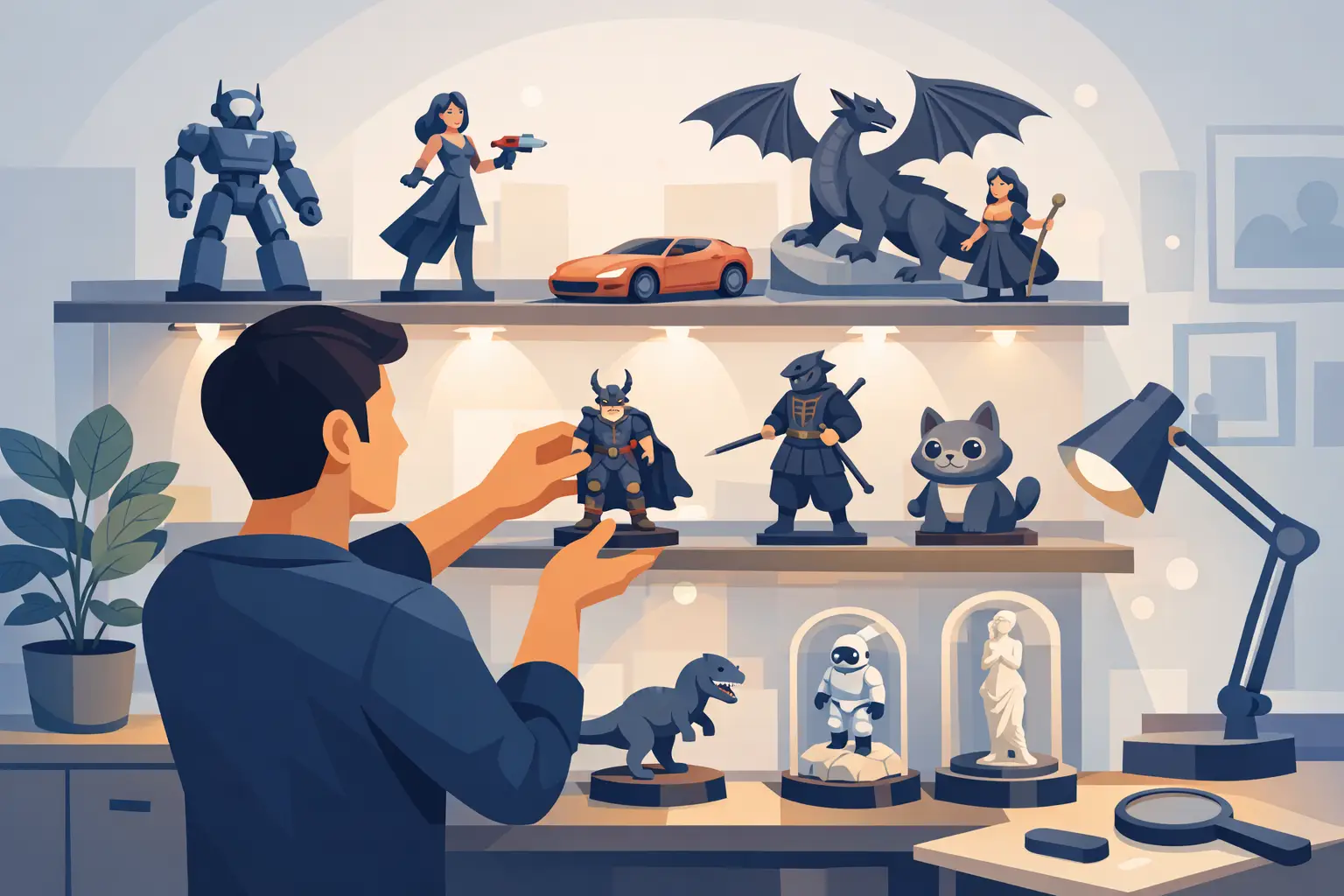
A shelf full of figurines can go from charming to crowded fast. If you have ever unboxed a new Jim Shore piece, tucked a Precious Moments figure beside an older favorite, and then stepped back wondering why the whole display suddenly felt busy, you are not alone. Learning how to display collectible figurines is less about filling every inch of space and more about giving each piece room to be seen, enjoyed, and protected.
Start with the collection you actually have
Before you buy a new cabinet or rearrange three bookcases, take stock of your figurines as a group. Some collections are best when they stay tightly themed, while others look more natural when they are mixed with seasonal decor or family keepsakes. A Disney display has a different energy than a Willow Tree grouping, and a Department 56 village asks for more scene-building than a shelf of character ornaments or hand-painted giftware.
That is why the first decision is not where to put everything. It is how you want the collection to feel. Do you want a clean collector’s display, a cozy holiday setup, or a room that includes figurines as part of your everyday decor? The answer shapes every other choice, from shelf height to lighting to spacing.
Choose the right place before the right shelf
One of the most common display mistakes is starting with furniture instead of location. Figurines often look best in places where people naturally pause – a living room built-in, a dining room sideboard, an entry table, or a glass-front cabinet in a den or home office. But the right spot also needs stable temperature, low humidity, and protection from direct sunlight.
Sun can fade painted finishes, brighten some whites unevenly, and dull delicate color details over time. Kitchens may seem convenient for spare shelving, but grease and moisture can leave residue on collectibles that are harder to clean than most people expect. High-traffic hallways can be risky too, especially for pieces with extended arms, thin details, or taller silhouettes.
If the room gets a lot of natural light, that does not automatically rule it out. It just means you may want to place figurines on a wall that stays out of the strongest afternoon sun, or use a cabinet that adds some protection.
How to display collectible figurines without clutter
Collectors usually do not have too few figurines. They have too many favorites for one surface. The fix is not hiding everything away. It is editing each display so the eye can rest.
A good rule is to leave visible space around the pieces with the most detail. Figurines with painted patterns, expressive faces, glitter finishes, or sculpted textures need breathing room. Simpler pieces can sit a little closer together. If every item touches the next one visually, the whole arrangement starts to read as one shape instead of many special pieces.
Height matters just as much. Try placing taller pieces toward the back and shorter ones in front, but do not line them up in perfect stair-step fashion unless you want a very formal look. Small risers help a lot here. They lift back-row pieces enough to be seen without forcing you to spread everything too far apart.
Odd-number groupings often feel more relaxed and natural than even ones, especially on mantels, console tables, and open shelves. But a strict decorating rule should never override a branded set that is designed to stay together. If three village houses and two coordinating accessories tell a complete story, keep the story intact.
Match the display style to the brand and theme
Not every figurine wants the same backdrop. This is where experienced collectors often make a display look polished without making it look staged.
Folk-art inspired pieces, including many Jim Shore designs, usually pair well with warm wood tones, classic hutches, and seasonal accents that echo their colors. Whimsical Lori Mitchell figures can handle a little more personality around them, especially in Halloween, Easter, or Christmas setups. Willow Tree pieces often look strongest with minimal styling, soft lighting, and neutral shelving that lets the form speak for itself.
Character collections depend on what you want to highlight. If the goal is nostalgia and joy, themed displays can be wonderful. If the goal is sophistication, it may help to limit the color palette around the figurines so beloved characters do not compete with bold surrounding decor.
This is also where seasonal rotation makes sense. A room does not need every collectible line on view at once. Rotating figurines by holiday, brand, or color keeps displays feeling fresh and gives special pieces their moment.
Cabinets, shelves, and mantels all work differently
Glass cabinets are often the safest choice for delicate or high-value figurines. They cut down on dust, create a sense of occasion, and help a collection feel organized. They are especially useful if you collect smaller pieces that can disappear on open shelving. The trade-off is access. If you enjoy rearranging often, open shelves may suit you better.
Floating shelves create a clean, modern look, but they need restraint. Too many shelves stacked close together can make a room feel crowded and force figurines into awkward heights. Built-ins offer more flexibility, especially if you can vary the spacing between shelves to fit taller angels, clocks, trees, or village pieces.
Mantels are ideal for seasonal displays, but they are not always ideal for long-term placement. Heat, soot, and frequent decorating changes can make them less practical for year-round collections. A sideboard or buffet often gives you a similar showcase effect with less risk.
Use lighting gently
Lighting can make an average display look thoughtful, but harsh light can flatten detail or create glare on glossy finishes. Warm, soft lighting usually suits collectible figurines best. Inside a cabinet, subtle LED strips or puck lights can help bring out paintwork and sculpted detail without adding much heat.
Try to light the display, not blast the figurines directly. If faces and front details disappear into shadow, raise the light source or add a second low-output light from another angle. If metallic trim or glitter reflects too strongly, reduce brightness rather than moving pieces too close together.
Keep dust and damage in mind
The prettier the display, the easier it is to forget maintenance. Open displays collect dust quickly, especially around textured finishes, glitter accents, and floral details. A soft brush or gentle microfiber cloth is usually safer than aggressive wiping. For intricate pieces, patience matters more than pressure.
Stability matters too. If a figurine rocks slightly on a shelf, fix that before it becomes a problem. Earthquake gel, museum putty, or non-damaging shelf grips can help secure pieces in homes with pets, children, or frequent door vibrations. That added security is especially helpful for taller figurines, stacked scenes, and narrow-based holiday pieces.
When you store rotated items, keep original boxes if possible. Serious collectors know packaging is not just clutter. It often provides the safest fit for seasonal storage and can matter for long-term condition.
Let your display tell a story
The most memorable figurine displays usually have a point of view. That does not mean every shelf needs a dramatic theme. It just means the arrangement should feel intentional.
You might organize by holiday, with patriotic pieces in summer and nativity or Santa collections in winter. You might group by brand, keeping Department 56 village accessories together and separating sentimental gift lines from playful character figurines. You might even display by mood, placing softer inspirational pieces in a bedroom and brighter whimsical ones in a family room.
Storytelling also helps with gifts. If you receive figurines for anniversaries, Mother’s Day, birthdays, or Christmas, consider displaying those sentimental pieces where they can be seen up close rather than absorbing them into a larger crowded shelf. A small dedicated grouping often carries more meaning than a packed cabinet row.
When less really does look better
Collectors do not always want to hear this, but sometimes the best way to improve a display is to remove a few pieces. Not because they are not beautiful, and not because they do not belong, but because your eye needs contrast. Space gives importance.
A smaller arrangement can make each figurine feel more special, especially if the pieces have emotional meaning or fine craftsmanship. If you shop from a curated collectible retailer like Crafty Katz, where lines are selected for display value as much as gift appeal, that breathing room lets the details do their job.
If you are still experimenting with how to display collectible figurines, start with one shelf, one cabinet, or one holiday grouping. Edit, adjust, and live with it for a few days. The right display usually reveals itself once you stop trying to show everything at once and start making room for what you love most.